

As a supplier of Hydraulic Dock Ramps, I understand the importance of proper maintenance to ensure the longevity and optimal performance of these essential pieces of equipment. In this blog post, I will delve into the various types of maintenance that a hydraulic dock ramp requires, providing you with a comprehensive guide to keep your ramp in top - notch condition.
Regular Visual Inspections
One of the most basic yet crucial forms of maintenance for a hydraulic dock ramp is regular visual inspections. These inspections should be carried out on a daily or weekly basis, depending on the frequency of use. During a visual inspection, you should check for any signs of physical damage, such as cracks, dents, or rust on the ramp's surface and frame. A damaged frame can compromise the structural integrity of the ramp, posing a significant safety risk.
Inspect the hydraulic hoses for any signs of wear, leaks, or kinks. Hydraulic hoses are a vital part of the ramp's operation, as they are responsible for transmitting the hydraulic fluid that powers the lifting mechanism. A leak in the hydraulic hoses can lead to a loss of pressure, causing the ramp to malfunction. If you notice any damage to the hoses, they should be replaced immediately. You can find more information about hydraulic systems in general on Hydraulic Loading Dock.
Examine the ramp's joints and connections. Loose or damaged joints can cause instability during operation. Make sure all bolts and nuts are tightened properly. If you find any loose fasteners, use the appropriate tools to secure them. Also, check the condition of the hinges, as they play a key role in the smooth movement of the ramp.
Lubrication
Proper lubrication is essential for the smooth operation of a hydraulic dock ramp. Lubricate all moving parts, such as hinges, rollers, and pivot points, regularly. This helps to reduce friction, prevent wear and tear, and extend the lifespan of these components. Use a high - quality lubricant that is suitable for the specific materials and operating conditions of the ramp.
For the hydraulic system, the hydraulic fluid itself acts as a lubricant for the internal components of the hydraulic pump and cylinders. It is important to check the hydraulic fluid level regularly. Low fluid levels can lead to overheating and premature wear of the hydraulic components. If the fluid level is low, add the recommended type of hydraulic fluid as specified in the ramp's manual. Additionally, the hydraulic fluid should be changed at regular intervals to maintain its performance. Contaminated or degraded hydraulic fluid can cause blockages in the system and reduce the efficiency of the ramp.
Hydraulic System Maintenance
The hydraulic system is the heart of a hydraulic dock ramp, and it requires special attention. In addition to checking the fluid level and hoses, you should also monitor the hydraulic pressure. Incorrect hydraulic pressure can lead to problems such as slow lifting or lowering of the ramp, or even complete failure. Use a pressure gauge to measure the pressure and compare it with the manufacturer's specifications. If the pressure is outside the recommended range, it may indicate a problem with the pump, valves, or other hydraulic components.
Regularly clean the hydraulic filter. The filter is designed to remove contaminants from the hydraulic fluid, preventing them from causing damage to the system. A clogged filter can restrict the flow of fluid and increase the pressure in the system, leading to potential failures. Replace the filter according to the manufacturer's recommendations or when it shows signs of excessive dirt and debris.
Electrical System Maintenance (if applicable)
Some hydraulic dock ramps are equipped with electrical components, such as control panels and sensors. If your ramp has an electrical system, it is important to perform regular maintenance on it. Check all electrical connections for tightness and signs of corrosion. Loose or corroded connections can cause electrical failures or malfunctions.
Inspect the wiring for any signs of damage, such as fraying or exposed wires. Damaged wiring can pose a safety hazard, including the risk of electrical shock or fire. If you find any damaged wiring, it should be repaired or replaced by a qualified electrician.
Test the electrical controls and sensors regularly to ensure they are functioning properly. Malfunctioning controls or sensors can lead to incorrect operation of the ramp, which can be dangerous for both the equipment and the operators.
Surface Maintenance
The surface of the hydraulic dock ramp is constantly exposed to heavy loads, foot traffic, and various environmental conditions. To prevent slips and falls, it is important to keep the ramp surface clean and free of debris. Regularly sweep or wash the ramp to remove dirt, dust, and any spilled materials.

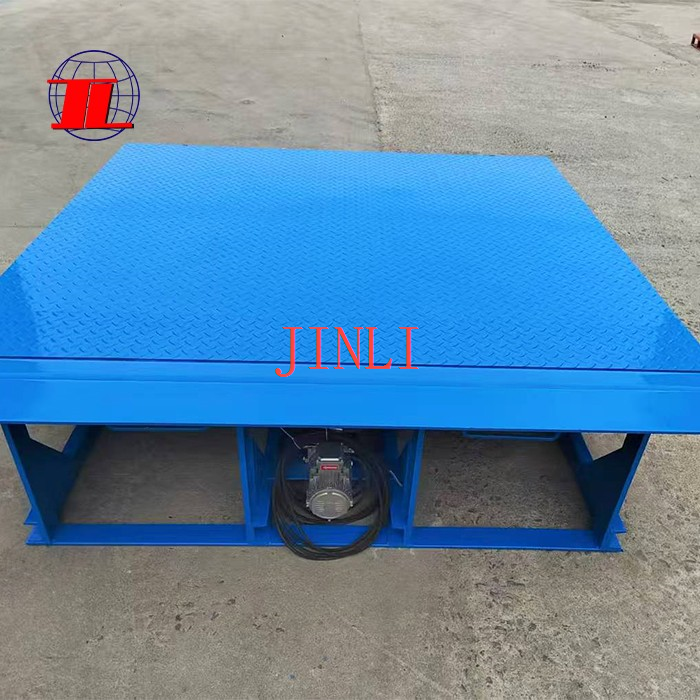
If the ramp surface has a non - slip coating, check its condition regularly. Over time, the non - slip coating may wear off, reducing its effectiveness. If the coating is damaged or worn, it should be reapplied to maintain a safe working surface.
Safety Feature Checks
Safety features are an integral part of any hydraulic dock ramp. Regularly test the safety features, such as the safety stops, emergency stop buttons, and locking mechanisms. The safety stops prevent the ramp from over - extending or collapsing, while the emergency stop button allows operators to quickly halt the ramp's operation in case of an emergency.
The locking mechanisms are designed to secure the ramp in place during use and when it is not in operation. Make sure these mechanisms are functioning correctly and can hold the ramp firmly in position. If any of the safety features are not working properly, they should be repaired or replaced immediately to ensure the safety of the operators and the integrity of the equipment.
Documentation and Record - Keeping
Maintaining detailed records of all maintenance activities is an important aspect of ramp maintenance. Keep a log of all inspections, lubrication, fluid changes, repairs, and component replacements. This documentation can help you track the maintenance history of the ramp, identify patterns of problems, and ensure that all maintenance tasks are performed on schedule.
In addition, having accurate records can be useful for warranty claims and for demonstrating compliance with safety regulations. It also provides valuable information for future maintenance planning and can help you make informed decisions about the replacement of the ramp when it reaches the end of its useful life.
Professional Maintenance and Servicing
While regular in - house maintenance is essential, it is also recommended to have your hydraulic dock ramp professionally serviced at regular intervals. A professional service technician has the expertise and specialized tools to perform a thorough inspection and maintenance of the ramp. They can identify potential problems that may not be apparent during routine inspections and perform complex repairs and adjustments.
Professional servicing can also help to ensure that the ramp complies with all relevant safety standards and regulations. Many manufacturers offer maintenance contracts that include regular servicing and support. By investing in professional maintenance, you can extend the lifespan of your ramp, reduce the risk of breakdowns, and ensure the safety of your operations.
Conclusion
Proper maintenance of a hydraulic dock ramp is crucial for its safe and efficient operation. By following the maintenance procedures outlined above, you can keep your ramp in excellent condition, minimize downtime, and avoid costly repairs. Remember, a well - maintained ramp not only protects your investment but also ensures the safety of your employees and the smooth flow of your operations.
If you are in the market for a new Hydraulic Dock Ramp or need more information about maintenance services for your existing ramp, we are here to help. Our team of experts can provide you with the guidance and support you need to make the right decisions for your business. Whether you are looking for a ramp for shipping containers or other applications, we have a wide range of options available, including Dock Leveler for Shipping Containers. Contact us for more details and to discuss your specific requirements. We look forward to working with you to meet your loading and unloading needs.
References
- Manufacturer's manuals for hydraulic dock ramps
- Industry standards and guidelines for dock equipment maintenance
- Technical literature on hydraulic and electrical systems


