

What is the foot - pedal operation of a mobile loading dock ramp?
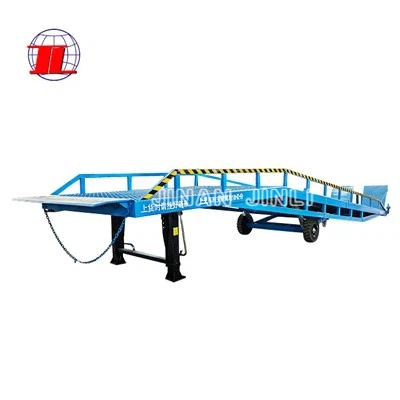
As a supplier of Mobile Loading Dock Ramps, I often encounter inquiries from customers about the various features and operations of our products. One question that comes up quite frequently is about the foot - pedal operation of a mobile loading dock ramp. In this blog, I'll delve into what foot - pedal operation means, its benefits, and how it enhances the functionality of our Mobile Dock Ramp.
Understanding Foot - Pedal Operation
The foot - pedal operation of a mobile loading dock ramp is a user - friendly mechanism that allows operators to control certain functions of the ramp using their feet. Instead of using hands to manipulate levers or buttons, the foot - pedal provides a convenient way to perform tasks such as raising, lowering, or adjusting the angle of the ramp.
Most of our mobile loading dock ramps are equipped with hydraulic systems. The foot - pedal is connected to this hydraulic system. When an operator steps on the foot - pedal, it activates a valve in the hydraulic circuit. This valve then controls the flow of hydraulic fluid, which in turn drives the cylinders that raise or lower the ramp.
Advantages of Foot - Pedal Operation
Hands - Free Operation
One of the most significant advantages of foot - pedal operation is that it allows for hands - free control. In a busy loading and unloading environment, operators often have their hands full with handling goods, guiding pallets, or operating forklifts. With a foot - pedal, they can adjust the ramp's position without having to put down their tools or the items they are carrying. This not only saves time but also increases efficiency as there is no need to interrupt the workflow to operate the ramp controls.
Precise Control
Foot - pedal operation provides precise control over the movement of the ramp. Operators can apply gentle pressure on the pedal to make small adjustments to the ramp's height or angle. This level of precision is crucial when aligning the ramp with the bed of a truck or trailer, especially when dealing with different vehicle heights or uneven surfaces. It ensures a smooth transition for the movement of goods between the dock and the vehicle, reducing the risk of damage to the products and the equipment.
Safety
Safety is a top priority in any industrial setting. The foot - pedal operation enhances safety in several ways. Since the operator can keep their hands on the equipment they are using, such as a forklift, they have better control and stability while maneuvering around the ramp. Additionally, the hands - free operation reduces the risk of pinching or getting fingers caught in the ramp's moving parts. Moreover, the precise control offered by the foot - pedal helps to prevent sudden or jerky movements of the ramp, which could cause accidents.
How Foot - Pedal Operation Works in Different Situations
Loading and Unloading Trucks
When loading or unloading trucks, the foot - pedal operation allows for quick and easy adjustment of the ramp to match the height of the truck bed. As trucks come in different sizes and configurations, the ability to make on - the - fly adjustments is essential. An operator can simply step on the foot - pedal to raise the ramp to the appropriate height, ensuring a seamless transfer of goods. This is particularly useful when dealing with a continuous flow of trucks, as it minimizes the downtime between each loading or unloading operation.
Changing Vehicle Types
In a busy logistics center, different types of vehicles may be used for transportation, such as vans, trucks, and trailers. Each vehicle has a different loading height. With the foot - pedal operation, the ramp can be easily adjusted to accommodate these variations. An operator can quickly switch between different vehicle types without having to use complex manual controls or wait for additional equipment to make the necessary adjustments.

Maintenance and Care of Foot - Pedal Systems
To ensure the proper functioning of the foot - pedal operation, regular maintenance is required. The foot - pedal itself should be inspected regularly for any signs of wear or damage. It should be cleaned to remove any dirt, debris, or grease that may accumulate over time, as this could affect its operation.
The hydraulic system connected to the foot - pedal also needs to be maintained. This includes checking the hydraulic fluid level, inspecting the hoses for leaks, and ensuring that the valves are working properly. Regular servicing by a qualified technician can help to identify and address any potential issues before they become major problems.
Conclusion
The foot - pedal operation of a mobile loading dock ramp is a valuable feature that offers numerous benefits in terms of efficiency, precision, and safety. As a supplier of Mobile Loading Dock Ramps, we understand the importance of providing high - quality products with user - friendly features. Our Mobile Dock Ramp with foot - pedal operation is designed to meet the needs of modern logistics and industrial operations.
If you are in the market for a reliable and efficient mobile loading dock ramp, we invite you to contact us for more information. Our team of experts is ready to assist you in choosing the right ramp for your specific requirements and to answer any questions you may have about foot - pedal operation or other features. We look forward to the opportunity to work with you and help you improve your loading and unloading processes.
References
- Industrial Equipment Handbook: This handbook provides in - depth information on the design and operation of various industrial equipment, including mobile loading dock ramps.
- Hydraulic Systems Manual: A comprehensive guide to understanding hydraulic systems, which are crucial for the foot - pedal operation of mobile loading dock ramps.


