

As a supplier of hydraulic loading docks, I've dealt firsthand with the importance of maintaining detailed operation records. These records aren't just pieces of paper or digital entries; they're the backbone of ensuring smooth, safe, and efficient operations at any loading dock. So, let's dive into what operation records you should be keeping for a hydraulic loading dock.
Daily Inspection Records
First up, daily inspection records are a must. Every day, your loading dock goes through a lot of wear and tear. By conducting daily inspections and recording the findings, you can catch potential problems early on. Start with a visual check of the dock's physical condition. Look for any signs of damage like cracks in the platform, bent rails, or loose bolts. Also, check the hydraulic system. Make sure there are no leaks in the hoses, and the fluid level is within the recommended range.
Note down the date, time, and who conducted the inspection. If you find any issues, describe them in detail. For example, instead of just writing "problem with the hydraulic system," note something like "small leak detected in the hydraulic hose near the control valve." This level of detail helps when it comes to scheduling repairs and ensuring that the right parts are ordered.
Usage Logs
Usage logs are another critical set of records. Keep track of how often the loading dock is used, the types of vehicles that use it, and the weight of the loads being transferred. This information can give you insights into the dock's performance over time. For instance, if you notice that the loading dock is being used more frequently by heavier trucks, it might be a sign that you need to inspect the dock more often or consider an upgrade.
You can record the usage in a simple spreadsheet. Include columns for the date, time of use, vehicle type (e.g., box truck, semi - trailer), and estimated load weight. If possible, also note what type of goods are being loaded or unloaded. For example, if it's fragile goods, the handling process might be different, and this could impact the dock's wear.
Maintenance and Repair Records
This is probably the most important set of records for any hydraulic loading dock. Keep a detailed history of all maintenance activities and repairs. For regular maintenance, note down what was done, when it was done, and by whom. This could include tasks like lubricating moving parts, checking the electrical connections, and testing the safety features.
In case of repairs, record the problem that was identified, the steps taken to fix it, and the cost involved. Also, note down any parts that were replaced. This information is useful for warranty claims, future maintenance planning, and to assess the overall reliability of the loading dock. For example, if a particular part needs to be replaced frequently, it might be worth looking into a more durable alternative.
Safety Check Records
Safety should always be a top priority at any loading dock. That's why safety check records are so important. Regularly check all the safety features of the hydraulic loading dock, such as the edge guards, bumpers, and safety chains. Make sure the warning signs are visible and in good condition.
Record the results of these safety checks. If any safety feature is not working properly, note it down and take immediate action to fix it. You should also keep records of any safety training sessions conducted for the employees who use the loading dock. This shows that you're committed to providing a safe working environment.
Training Records
As I mentioned, training is crucial for the safe and efficient operation of a hydraulic loading dock. Keep records of all employee training related to the loading dock. Note down who attended the training, when it took place, and what topics were covered. This could include how to operate the dock controls, safety procedures, and emergency response.
Regularly update the training records as new employees join or as the training curriculum is updated. This helps ensure that everyone using the loading dock is properly trained and aware of the best practices.
Incident and Accident Reports
No matter how careful you are, incidents and accidents can happen at a loading dock. When they do, it's important to record them in detail. Include the date, time, and location of the incident, a description of what happened, and who was involved. If there were any injuries, note down the nature and severity of the injuries.
Also, record the actions taken immediately after the incident, such as first aid provided or equipment shut down. This information can be used to analyze the cause of the incident and to prevent similar incidents from happening in the future.
Why These Records Matter
You might be wondering why all these records are so important. Well, for starters, they help with compliance. Many industries have regulations regarding the operation and maintenance of loading docks. By keeping detailed records, you can prove that you're meeting these requirements.
Secondly, these records are a great tool for troubleshooting. If you start experiencing problems with the loading dock, you can look back at the records to see if there are any patterns or previous issues that could be related.

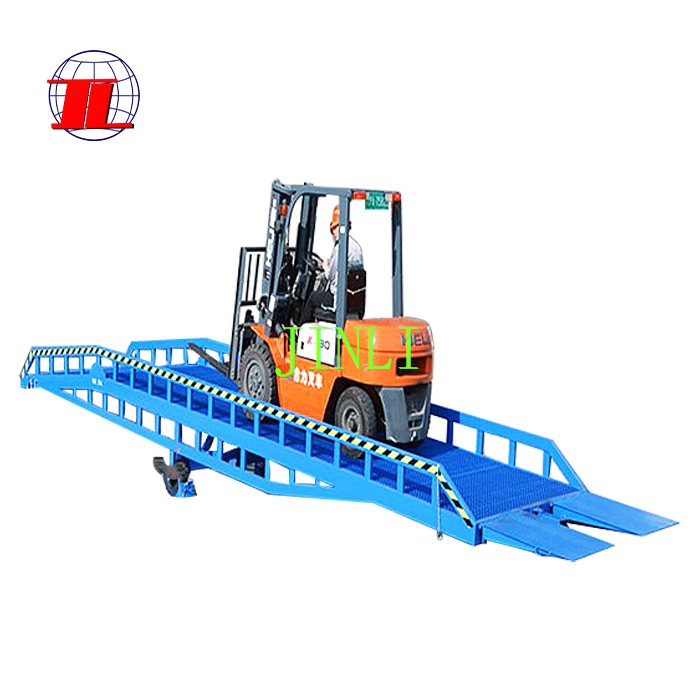
Finally, good operation records can help you make informed decisions about the future of your loading dock. If you see that the dock is constantly in need of repairs, it might be time to consider replacing it. Or, if you notice that the usage patterns are changing, you can plan for upgrades or additional equipment.
Where to Get Quality Hydraulic Loading Dock Equipment
If you're in the market for a new hydraulic loading dock or need replacement parts, we've got you covered. We offer a wide range of high - quality Hydraulic Leveler options that are designed to meet the needs of different industries. Our Dock Leveler Warehouse is stocked with a variety of products to ensure that you can find the right solution for your loading dock. And if you need a temporary solution, our Forklift Dock Plate is a great choice.
If you're interested in learning more about our products or have any questions about operation records for hydraulic loading docks, don't hesitate to reach out. We're here to help you make the most of your loading dock and ensure that your operations run smoothly. Contact us today to start a discussion about your specific needs.
References
- Industry Standards for Loading Dock Operations
- Manufacturer's Manuals for Hydraulic Loading Docks
- Occupational Safety and Health Administration (OSHA) Guidelines for Loading Docks


