

Aligning a mobile dock ramp with a train is a critical process that requires precision, safety awareness, and proper equipment. As a supplier of Mobile Dock Ramp, I've witnessed firsthand the importance of this alignment in facilitating efficient and safe loading and unloading operations. In this blog post, I'll share some insights and best practices on how to align a mobile dock ramp with a train effectively.
Understanding the Basics
Before diving into the alignment process, it's essential to understand the key components involved. A mobile dock ramp is a portable device designed to bridge the gap between a loading dock and a vehicle, such as a train. It provides a smooth transition for forklifts, pallet jacks, and other material handling equipment to move goods between the dock and the train.
Trains, on the other hand, come in various sizes and configurations, with different heights and widths of cargo doors. The alignment process aims to ensure that the ramp is positioned correctly to match the height and angle of the train's cargo door, allowing for seamless loading and unloading.
Pre - alignment Preparations
- Inspect the Ramp and Train
- Before attempting to align the ramp, thoroughly inspect the Mobile Loading Dock Ramps for any signs of damage, such as cracks, bent components, or loose bolts. Check the hydraulic system, if applicable, to ensure it's functioning properly.
- Inspect the train as well. Look for any damage to the cargo doors, and measure the height and width of the door opening. Note the position of any obstacles, such as couplers or side frames, that could interfere with the ramp alignment.
- Choose the Right Location
- Select a flat and stable surface near the train for placing the ramp. The surface should be able to support the weight of the ramp, the equipment using it, and the goods being loaded or unloaded. Avoid areas with soft soil, slopes, or uneven ground.
- Ensure there is enough clearance around the ramp for the safe operation of forklifts and other equipment. Consider the turning radius of the forklifts and the space needed for maneuvering.
- Gather the Necessary Tools
- You'll need a few tools to assist with the alignment process, such as a measuring tape, a level, and chocks. The measuring tape will help you accurately measure the height and distance, while the level will ensure the ramp is horizontal. Chocks are used to prevent the train from moving during the loading and unloading process.
Alignment Steps
- Position the Ramp Near the Train
- Use a forklift or other appropriate equipment to move the mobile dock ramp close to the train. Position it in front of the cargo door, leaving enough space for adjustment. Make sure the ramp is parallel to the train's side.
- Adjust the Ramp Height
- If your mobile dock ramp has a hydraulic or mechanical height adjustment mechanism, use it to match the height of the train's cargo door. Start by raising or lowering the ramp to a height slightly lower than the door opening. Then, use a measuring tape to measure the difference in height between the ramp and the door.
- Make small adjustments to the ramp height until it is within the recommended tolerance. The ideal height difference should be minimal to ensure a smooth transition for the equipment.
- Check the Angle of the Ramp
- Use a level to check the horizontal alignment of the ramp. The ramp should be as level as possible to prevent the forklift or other equipment from tipping during operation. If the ramp is not level, adjust the legs or supports to achieve a horizontal position.
- Also, check the angle of the ramp in relation to the train. The ramp should be at a gentle angle that allows the equipment to move up and down safely. A steep angle can make it difficult for the forklift to climb the ramp and may cause the load to shift.
- Secure the Ramp
- Once the ramp is at the correct height and angle, secure it in place. Some mobile dock ramps have locking mechanisms that can be engaged to prevent movement. If not, use chocks to block the wheels of the ramp and prevent it from rolling.
- Place chocks in front of and behind the train's wheels to prevent the train from moving during the loading and unloading process. This is crucial for safety, as any movement of the train can cause the ramp to become misaligned and lead to accidents.
- Test the Alignment
- Before starting the loading or unloading operation, conduct a test run with an empty forklift or pallet jack. Drive the equipment slowly up and down the ramp to check for any issues, such as a rough ride, excessive vibration, or difficulty in maneuvering.
- If you notice any problems, stop the test immediately and make the necessary adjustments to the ramp alignment. Ensure that the equipment can move smoothly and safely on the ramp before proceeding with the actual loading or unloading.
Safety Considerations
- Operator Training
- Ensure that the operators of the forklifts and other equipment are properly trained in using the mobile dock ramp. They should be familiar with the ramp's features, safety procedures, and the alignment process.
- Provide regular training and refresher courses to keep the operators updated on the latest safety practices.
- Personal Protective Equipment (PPE)
- All personnel involved in the loading and unloading process, including the ramp operators and the forklift drivers, should wear appropriate PPE, such as hard hats, safety glasses, and steel - toed boots.
- Communication
- Establish clear communication channels between the ramp operators, the forklift drivers, and the train crew. Use hand signals or radios to ensure that everyone is aware of the operations and any potential hazards.
Conclusion
Aligning a mobile dock ramp with a train is a complex but essential process that requires careful planning, precise execution, and strict adherence to safety protocols. By following the steps outlined in this blog post, you can ensure a safe and efficient alignment, which will ultimately lead to smoother loading and unloading operations.
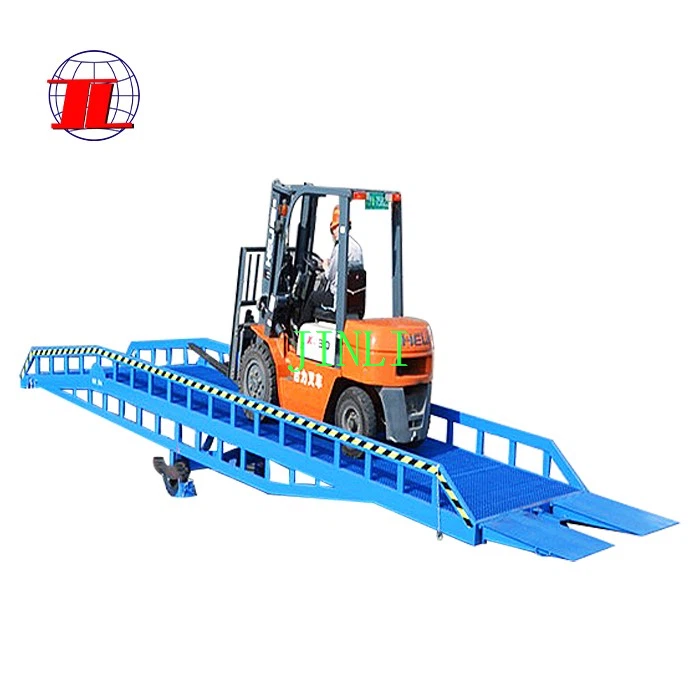

If you're in the market for a high - quality Mobile Dock Ramp or need more information on how to align it with a train, feel free to reach out. Our team of experts is ready to assist you with your specific requirements and help you find the best solution for your business.
References
- Industrial Truck Association (ITA). Guidelines for Safe Operation of Forklifts and Dock Equipment.
- American National Standards Institute (ANSI). Safety Standards for Mobile Dock Ramps.


