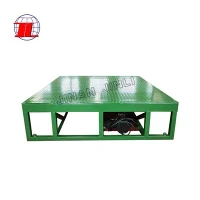
Removing a forklift dock plate for replacement is a task that requires careful planning and execution. As a supplier of Forklift Dock Plates, I've seen firsthand the importance of proper removal and replacement to ensure the safety and efficiency of loading and unloading operations. In this blog post, I'll guide you through the step-by-step process of removing a forklift dock plate for replacement, sharing insights and best practices along the way.
Step 1: Safety First
Before you begin any work on the dock plate, it's crucial to prioritize safety. This includes wearing appropriate personal protective equipment (PPE), such as safety glasses, gloves, and steel-toed boots. Additionally, make sure the area around the dock plate is clear of any obstacles or debris that could cause a tripping hazard. If the dock plate is located in a high-traffic area, consider using traffic cones or barriers to alert others to the work being done.
Step 2: Inspect the Dock Plate
Before removing the dock plate, conduct a thorough inspection to assess its condition. Look for any signs of damage, such as cracks, bends, or rust. If the dock plate is severely damaged, it may need to be replaced immediately. Pay special attention to the connection points between the dock plate and the loading dock or trailer. Check for loose bolts, pins, or other fasteners that may need to be tightened or replaced.
Step 3: Prepare the Necessary Tools
To remove the dock plate, you'll need a few essential tools. These may include a socket wrench, a pry bar, a hammer, and a hoist or forklift. Make sure all tools are in good working condition and appropriate for the task at hand. If you're using a hoist or forklift, ensure that it's rated for the weight of the dock plate.
Step 4: Disconnect the Dock Plate
Once you've inspected the dock plate and gathered the necessary tools, it's time to disconnect it from the loading dock or trailer. Start by removing any bolts, pins, or other fasteners that are holding the dock plate in place. Use a socket wrench or pry bar to loosen the fasteners, and be careful not to damage the dock plate or the surrounding area.


If the dock plate is attached to the loading dock with a hinge, you may need to use a pry bar to separate the hinge from the dock. Be careful not to apply too much force, as this could cause the hinge to break or damage the dock plate.
Step 5: Remove the Dock Plate
Once the dock plate is disconnected, it's time to remove it from the loading dock or trailer. If the dock plate is small and lightweight, you may be able to lift it off by hand. However, if the dock plate is large or heavy, you'll need to use a hoist or forklift to remove it.
When using a hoist or forklift, make sure the dock plate is properly secured to the lifting device. Use straps or chains to prevent the dock plate from slipping or falling during the lifting process. Slowly lift the dock plate off the loading dock or trailer, and carefully lower it to the ground.
Step 6: Clean and Inspect the Loading Dock or Trailer
After removing the dock plate, take the time to clean and inspect the loading dock or trailer. Remove any dirt, debris, or rust from the surface of the dock or trailer, and check for any signs of damage or wear. If necessary, make any repairs or replacements before installing the new dock plate.
Step 7: Install the New Dock Plate
Once the loading dock or trailer is clean and inspected, it's time to install the new dock plate. Start by positioning the new dock plate on the loading dock or trailer, and align it with the connection points. Use bolts, pins, or other fasteners to secure the dock plate in place, and make sure it's level and stable.
If the new dock plate is equipped with a hinge, make sure the hinge is properly aligned and functioning correctly. Test the dock plate by driving a forklift or other vehicle over it to ensure that it's safe and stable.
Step 8: Test the New Dock Plate
After installing the new dock plate, it's important to test it to ensure that it's working properly. Drive a forklift or other vehicle over the dock plate several times, and pay attention to any signs of instability or movement. If you notice any issues, such as a loose connection or a wobbly dock plate, stop using the dock plate immediately and make the necessary repairs.
Step 9: Maintain the New Dock Plate
To ensure the long-term performance and safety of the new dock plate, it's important to maintain it regularly. This includes cleaning the dock plate after each use, inspecting it for signs of damage or wear, and lubricating any moving parts. Additionally, make sure to follow the manufacturer's recommendations for maintenance and repair.
Conclusion
Removing a forklift dock plate for replacement is a task that requires careful planning and execution. By following the steps outlined in this blog post, you can ensure that the removal and replacement process is safe and efficient. As a supplier of Forklift Dock Plates, I'm here to help you with any questions or concerns you may have. If you're in the market for a new dock plate, or if you need assistance with the removal and replacement process, please don't hesitate to contact us for a consultation. We offer a wide range of Loading Dock Equipment and Dock Leveler Warehouse solutions to meet your needs.
References
- Occupational Safety and Health Administration (OSHA). (2023). Forklift safety standards. Retrieved from https://www.osha.gov/forklift
- Material Handling Industry of America (MHIA). (2023). Dock equipment standards and guidelines. Retrieved from https://www.mhia.org
- Manufacturer's instructions and guidelines for the specific dock plate model being used.