As a supplier of forklift dock plates, I understand that choosing the right dock plate for your forklift is crucial. A suitable forklift dock plate not only ensures the safety of your operations but also enhances efficiency. In this blog, I'll share some key factors to help you determine if a forklift dock plate is suitable for your forklift.
1. Forklift Capacity and Dock Plate Rating
The first and most important factor is the capacity of your forklift. Forklifts come in various sizes and have different weight - carrying capacities. You need to know the maximum load your forklift can handle, including the weight of the load and the forklift itself.
A forklift dock plate must be able to support this total weight safely. The capacity rating of a dock plate is usually clearly marked by the manufacturer. For example, if your forklift has a maximum load capacity of 5,000 pounds and weighs 3,000 pounds itself, you need a dock plate with a rating of at least 8,000 pounds. Make sure to choose a dock plate with a capacity that exceeds the total weight your forklift will carry during normal operations. You can find a wide range of dock plates with different capacity ratings on our Forklift Dock Plate page.
2. Forklift Dimensions
The dimensions of your forklift are also vital. Measure the width of the forklift's wheels and the overall width of the forklift. The dock plate should be wide enough to accommodate the forklift safely. A narrow dock plate can cause the forklift to tip over or get stuck, leading to accidents and damage to the equipment.
Typically, a standard forklift dock plate width ranges from 48 inches to 72 inches. If you have a wider forklift, you may need to look for a custom - sized dock plate. Additionally, consider the length of the forklift. The dock plate should be long enough to provide a smooth transition for the forklift to move on and off the loading dock.
3. Loading Dock Height and Grade
The height difference between the loading dock and the vehicle is another critical factor. Forklift dock plates are designed to bridge this gap. Measure the height of your loading dock and the height of the vehicles that will be used for loading and unloading.
Some dock plates are adjustable to accommodate different height differences. Our Adjustable Dock Plate is a great option if you have varying vehicle heights. It can be adjusted to create a safe and level ramp for the forklift.
The grade or slope of the dock plate is also important. A steep slope can make it difficult for the forklift to climb and may cause the load to shift. Most dock plates have a slope of around 10 - 15 degrees, which is considered safe for forklift operations.
4. Surface Condition and Traction
The surface of the dock plate plays a significant role in ensuring safe forklift operations. A smooth surface may be slippery, especially when wet or dirty, increasing the risk of the forklift losing traction and sliding.
Look for dock plates with a non - slip surface. Some dock plates have a textured or grated surface that provides better grip for the forklift's wheels. This is especially important in outdoor environments or areas where there may be spills or moisture.
5. Durability and Material
The durability of the dock plate depends on the material it is made of. Common materials for forklift dock plates include steel and aluminum.
Steel dock plates are known for their strength and durability. They can withstand heavy loads and are suitable for high - traffic areas. However, they are heavier than aluminum dock plates, which may require more effort to move and install.
Aluminum dock plates are lightweight, making them easier to handle. They are also resistant to corrosion, which is ideal for outdoor use. Consider the environment in which the dock plate will be used and the frequency of use when choosing the material.
6. Compatibility with Existing Equipment
If you already have a loading dock system in place, the dock plate should be compatible with it. This includes factors such as the connection method to the dock and the alignment with other loading equipment.
For example, if you have a Mechanical Dock Leveler installed, the dock plate should be able to work in harmony with it. Check the specifications of your existing equipment and consult with our experts to ensure compatibility.

7. Safety Features
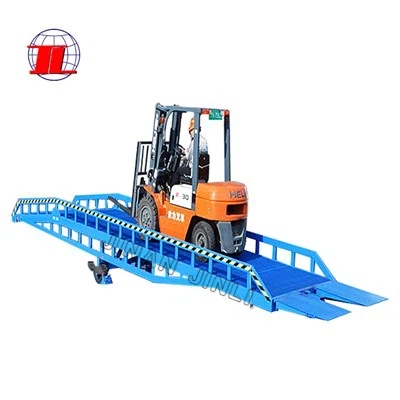
Safety should always be a top priority. Look for dock plates with safety features such as side guards to prevent the forklift from slipping off the sides, and locking mechanisms to secure the dock plate in place.
Some dock plates also have raised edges or curbs to guide the forklift wheels and prevent them from veering off the ramp. These safety features can significantly reduce the risk of accidents during forklift operations.
8. Regulatory Compliance
Make sure the dock plate you choose complies with relevant safety regulations. Different regions may have specific requirements for loading dock equipment. Our dock plates are designed and manufactured to meet or exceed industry standards, ensuring that you are using a safe and compliant product.
Conclusion
Choosing the right forklift dock plate for your forklift is a complex decision that requires careful consideration of multiple factors. By taking into account the forklift capacity, dimensions, loading dock height, surface condition, durability, compatibility, safety features, and regulatory compliance, you can ensure that you select a suitable dock plate for your operations.
If you are still unsure which forklift dock plate is right for you, our team of experts is here to help. We have years of experience in the industry and can provide you with personalized advice based on your specific needs. Contact us today to start the procurement process and find the perfect dock plate for your forklift.
References
- Industrial Truck Association (ITA) - Guidelines for Forklift Operations
- Occupational Safety and Health Administration (OSHA) - Loading Dock Safety Standards