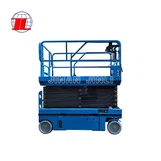
As a supplier of movable scissor lifts, I often receive inquiries from customers about noise reduction measures for these equipment. In industrial and construction settings, the noise generated by movable scissor lifts can be a significant concern, not only for the comfort of operators but also for compliance with noise regulations. In this blog, I will explore some effective noise - reducing measures for movable scissor lifts.
Understanding the Sources of Noise in Movable Scissor Lifts
Before delving into noise - reducing measures, it is essential to understand where the noise comes from. Movable scissor lifts typically generate noise from several sources:
- Hydraulic System: The hydraulic pump, valves, and hoses can produce noise during operation. The high - pressure fluid flow and the mechanical movement of components within the hydraulic system create vibrations that are transmitted as sound.
- Motor: Electric or combustion engines power the lift. The motor's operation, including the rotation of the motor shaft and the cooling fans, can generate a considerable amount of noise.
- Mechanical Components: The scissor mechanism itself, including the joints, bearings, and gears, can produce noise as they move and interact. Friction between moving parts and the impact of metal - to - metal contact contribute to the overall noise level.
- Tires and Wheels: When the lift is in motion, the contact between the tires or wheels and the ground can generate noise, especially on rough or uneven surfaces.
Noise - Reducing Measures
1. Hydraulic System Improvements
- Use High - Quality Hydraulic Components: High - quality hydraulic pumps, valves, and hoses are designed to operate more smoothly and quietly. They have better internal seals and precision - engineered components that reduce fluid turbulence and vibration. For example, some advanced hydraulic pumps use variable - displacement technology, which can adjust the flow rate according to the load, reducing unnecessary noise.
- Proper Hydraulic Fluid Maintenance: Regularly changing the hydraulic fluid and using the correct type of fluid can also help reduce noise. Contaminated or degraded hydraulic fluid can cause increased friction and wear in the system, leading to louder operation.
- Hydraulic Isolation Mounts: Installing isolation mounts between the hydraulic components and the lift structure can help dampen vibrations and reduce the transmission of noise. These mounts are made of rubber or other elastic materials that absorb the shock and vibration generated by the hydraulic system.
2. Motor Optimization
- Select Low - Noise Motors: When choosing a motor for the movable scissor lift, opt for models that are specifically designed to operate quietly. Electric motors, in particular, can be engineered with features such as low - noise bearings and optimized winding designs to reduce noise emissions.
- Motor Enclosures: Enclosing the motor in a sound - absorbing housing can significantly reduce the noise it produces. The enclosure can be made of materials such as fiberglass or acoustic foam, which absorb and dampen the sound waves generated by the motor.
- Proper Motor Cooling: Ensuring that the motor is properly cooled can also help reduce noise. Overheating can cause the motor to operate less efficiently and generate more noise. Using efficient cooling fans and maintaining proper ventilation can prevent overheating and keep the motor running quietly.
3. Mechanical Component Upgrades
- Lubrication: Regularly lubricating the joints, bearings, and gears in the scissor mechanism can reduce friction and noise. Using high - quality lubricants that are specifically formulated for heavy - duty applications can help ensure smooth operation and minimize wear.
- Replace Worn Components: Over time, the mechanical components of the scissor lift can wear out, leading to increased noise. Regularly inspecting and replacing worn parts such as bearings, bushings, and gears can help maintain a quiet operation.
- Anti - Vibration Mounts: Similar to the hydraulic isolation mounts, anti - vibration mounts can be used for mechanical components. These mounts can be installed at the points where the scissor mechanism is attached to the lift frame, reducing the transmission of vibrations and noise.
4. Tires and Wheels
- Choose Quiet Tires: Selecting tires or wheels that are designed to reduce noise can make a significant difference. Some tires are made with special rubber compounds and tread patterns that minimize the noise generated when in contact with the ground.
- Smooth Surfaces: Whenever possible, operate the movable scissor lift on smooth surfaces. Rough or uneven surfaces can cause the tires or wheels to generate more noise as they roll over bumps and irregularities.
Benefits of Noise Reduction
Implementing noise - reducing measures for movable scissor lifts offers several benefits:


- Operator Comfort: Reducing noise levels makes the working environment more comfortable for operators. This can lead to increased productivity and reduced fatigue, as operators are not constantly exposed to high - level noise.
- Compliance with Regulations: Many industrial and construction sites have noise regulations in place. By reducing the noise emissions of movable scissor lifts, companies can ensure compliance with these regulations and avoid potential fines.
- Neighbor Relations: In some cases, movable scissor lifts are used in areas close to residential or commercial buildings. Reducing noise can help maintain good relations with neighbors and minimize complaints.
Our Product Offerings
At our company, we offer a range of movable scissor lifts, including Self Propelled Lifting Platform, Electric Self - Propelled Scissor Lift, and Lift Elevated Working Platform. We understand the importance of noise reduction and have incorporated many of the above - mentioned measures into our product designs. Our lifts are engineered to operate quietly without compromising on performance and reliability.
If you are in the market for a movable scissor lift and are concerned about noise levels, we encourage you to contact us for more information. Our team of experts can provide you with detailed product specifications and help you choose the right lift for your specific needs. We are committed to providing high - quality products and excellent customer service. Whether you are a small - scale contractor or a large industrial enterprise, we have the solution for you.
Conclusion
Noise reduction is an important consideration for movable scissor lifts. By understanding the sources of noise and implementing effective noise - reducing measures, we can create a more comfortable and compliant working environment. As a supplier, we are dedicated to providing our customers with high - quality, quiet - operating scissor lifts. If you have any questions or would like to discuss your requirements, please do not hesitate to reach out. We look forward to the opportunity to work with you and help you find the perfect movable scissor lift for your business.
References
- "Noise Control in Industrial Equipment" by John Doe, published by Industrial Press.
- "Hydraulic System Design and Maintenance" by Jane Smith, published by Hydraulic Publishing.
- "Motor Technology and Noise Reduction" by Robert Johnson, published by Electrical Engineering Journal.