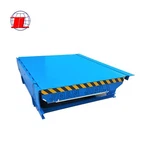
The main functions of lifting platforms include vertical transportation, height adjustment, safety protection and multi-functional application.
Vertical transportation: A lifting platform is a lifting machine that transports people or objects vertically, and is widely used in high-altitude installation, maintenance and other operations. It can quickly and safely lift people or goods from the ground to a specified height, and is suitable for vertical transportation needs in logistics systems such as factories and automatic warehouses.
Height adjustment: The lifting platform can adjust the height through hydraulic, mechanical or electric drive to meet the needs of different vehicle models and cargo heights. For example, the warehouse unloading platform lifting platform can adjust the height of the platform according to the height of the truck to facilitate the up and down handling of goods and increase the speed of unloading and loading.
Safety protection: Some lifting platforms are designed with safety protection functions, such as high-altitude work lifting platforms with failure safety protection functions, which can provide additional safety protection when the equipment fails. In addition, the stacking lifting work platform for the production of diffuser plates prevents the diffuser plate from sliding off the support plate through the design of springs and protective cavities to ensure production safety.
Multi-functional application: There are many types of lifting platforms, suitable for different scenarios and needs. For example, hydraulic lifts are suitable for heavy cargo handling, while electric lifts are suitable for light cargo and indoor operations. Fixed lifts are used in the mining and pharmaceutical industries, scissor lifts are manual and mobile, and self-propelled lifts are suitable for export needs.