

Hey there! As a supplier of loading dock equipment, I've seen firsthand how crucial locking mechanisms are for the safety and efficiency of loading and unloading operations. In this blog post, I'm gonna break down the different types of locking mechanisms used in loading dock equipment and why they matter.
Why Locking Mechanisms Are a Big Deal
Before we dive into the types of locking mechanisms, let's talk about why they're so important. Loading docks are high - traffic areas where heavy equipment and large amounts of goods are constantly moving. Without proper locking mechanisms, there's a risk of the dock equipment shifting or moving during use, which can lead to serious accidents, damage to goods, and even injuries to workers. A reliable locking mechanism ensures that the dock equipment stays in place, providing a stable and safe platform for loading and unloading activities.
Types of Locking Mechanisms
Mechanical Locking Mechanisms
Mechanical locking mechanisms are one of the most common types used in loading dock equipment. They work based on physical connections and are often simple yet effective.

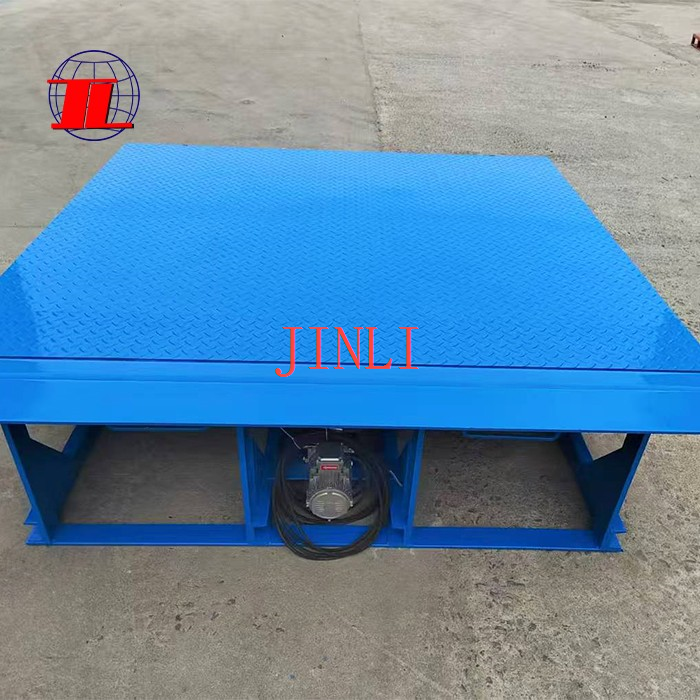
One example is the pin - type lock. These pins are inserted into pre - drilled holes in the dock equipment and the dock structure. When the pin is in place, it prevents the equipment from moving horizontally or vertically. Pin - type locks are relatively easy to install and maintain. They're also quite durable, making them a popular choice for many loading docks.
Another mechanical locking option is the latch system. Latches can be designed to engage with a corresponding part of the dock or the vehicle. For instance, some dock levelers have latches that hook onto the edge of a truck bed, keeping the leveler firmly attached to the vehicle during loading and unloading. This type of locking mechanism provides a secure connection and is often used in combination with other locking methods for added safety.
Hydraulic Locking Mechanisms
Hydraulic locking mechanisms are used in more advanced loading dock equipment, like Hydraulic Leveler. Hydraulic systems use fluid pressure to operate. In the context of loading dock equipment, hydraulic locks use hydraulic cylinders to create a strong and stable hold.
When the hydraulic system is activated, the cylinders extend and press against a surface, creating a locking force. The advantage of hydraulic locking is that it can provide a very high level of force, ensuring that the equipment remains in place even under heavy loads. Hydraulic locks are also adjustable, which means they can be fine - tuned to different situations and requirements. However, they do require more maintenance compared to mechanical locks, as the hydraulic fluid needs to be checked regularly and the system may need occasional repairs.
Electrical Locking Mechanisms
Electrical locking mechanisms are becoming more prevalent in modern loading dock equipment. These systems use electrical signals to control the locking and unlocking process.
One type of electrical lock is the solenoid lock. Solenoids are electromagnets that can be activated or deactivated with an electrical current. When the solenoid is energized, it creates a magnetic field that either engages or disengages the lock. Electrical locking mechanisms can be integrated with other systems, such as access control systems or safety sensors. For example, a loading dock door with an electrical lock can be programmed to unlock only when a valid access card is presented or when all safety sensors indicate that it's safe to open.
Locking Mechanisms in Specific Loading Dock Equipment
Adjustable Dock Plate
Adjustable Dock Plate is a versatile piece of equipment used to bridge the gap between a dock and a vehicle. It needs reliable locking to ensure stability. Most adjustable dock plates use mechanical locking mechanisms, such as pins or latches.
The pins are inserted through holes in the plate and the dock to prevent the plate from moving. Some adjustable dock plates also have a locking bar that can be engaged to keep the plate at the desired angle. This ensures that the plate stays in place while goods are being moved across it, reducing the risk of accidents.
Dock Leveler for Shipping Containers
Dock Leveler for Shipping Containers is designed to handle the unique requirements of loading and unloading shipping containers. These levelers often use a combination of locking mechanisms.
Hydraulic locking is commonly used to keep the leveler in the correct position relative to the container. The hydraulic system can adjust the height and angle of the leveler precisely and then lock it in place. In addition, mechanical latches or pins may be used to provide an extra layer of security. This multi - layer locking approach ensures that the leveler remains stable even when large and heavy containers are being moved.
Choosing the Right Locking Mechanism
When it comes to choosing the right locking mechanism for your loading dock equipment, there are several factors to consider.
First, think about the type of equipment you have. Different equipment may require different locking mechanisms. For example, a simple dock plate may only need a basic mechanical lock, while a high - end hydraulic leveler may benefit from a more sophisticated hydraulic or electrical locking system.
Second, consider the load capacity. If your loading dock deals with heavy loads on a regular basis, you'll need a locking mechanism that can withstand the weight. Hydraulic locks are often a good choice for high - load applications.
Third, take into account the frequency of use. If the loading dock is in constant operation, you'll want a locking mechanism that is durable and requires minimal maintenance. Mechanical locks are generally easier to maintain, while hydraulic and electrical systems may need more attention.
Conclusion
Locking mechanisms are an essential part of loading dock equipment. They play a crucial role in ensuring the safety and efficiency of loading and unloading operations. Whether you're using a simple adjustable dock plate or a high - tech dock leveler for shipping containers, having the right locking mechanism in place is key.
If you're in the market for loading dock equipment or need to upgrade your existing locking mechanisms, I'd love to help. We have a wide range of products and can provide expert advice on the best locking solutions for your specific needs. Feel free to reach out to us to start a conversation about your loading dock requirements.
References
- Loading Dock Handbook: Best Practices for Design, Operation, and Safety.
- Industrial Equipment Manufacturer's Guide to Dock Equipment and Locking Systems.


