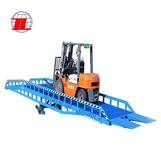
Can a scissor lift with wheels be used outdoors? That's a question I've been asked a ton by folks in the industry. As a supplier of scissor lifts with wheels, I've got some real - world insights to share on this topic.
First off, let's talk about what a scissor lift with wheels is. It's a type of equipment that uses a scissor - like mechanism to raise and lower a platform. The wheels make it movable, which is super handy for getting the lift where it needs to be. You can find different types, like the Self Propelled Lifting Platform, Self Propelled Elevating Work Platform, and Movable Scissor Lift.
Now, the big question: can it be used outdoors? The short answer is yes, but there are a bunch of factors to consider.
Terrain
The terrain outdoors can vary a whole lot. If you're using the scissor lift on a flat, smooth surface like a concrete parking lot or a well - maintained warehouse yard, it'll work just fine. The wheels can roll easily, and the lift can move around without any major issues. But if you're dealing with rough, uneven ground, like gravel, dirt, or grass, things get a bit more complicated.


On gravel, the wheels might sink in a bit, which can affect the stability of the lift. You need to make sure the lift has the right type of wheels for this kind of terrain. Some scissor lifts come with heavy - duty, large - diameter wheels that can handle gravel better. On dirt, especially if it's soft or muddy, the wheels can get stuck. The scissor lift might not be able to move forward or backward, and it could even tip over if the ground gives way under one of the wheels. Grass can also be a problem if it's long or the ground underneath is soft. The wheels can get bogged down, and the lift might not operate as smoothly.
Weather Conditions
Weather plays a huge role when using a scissor lift outdoors. Rain is a major concern. If it's pouring, the electrical components of the lift can get wet. Most scissor lifts are designed to be somewhat weather - resistant, but a heavy downpour can still cause problems. Water can seep into the control panels, motors, and other sensitive parts, leading to short - circuits and malfunctions.
Snow and ice are even more dangerous. The wheels can lose traction on icy surfaces, making it difficult to control the movement of the lift. Also, the scissor mechanism itself can get clogged with snow, preventing it from extending or retracting properly. High winds are another issue. When the lift is raised, it becomes more top - heavy. Strong winds can push the lift and make it unstable. There are usually wind speed limits specified by the manufacturer for safe operation. If the wind speed exceeds that limit, it's not safe to use the lift outdoors.
Safety Considerations
Safety is always the top priority when using any kind of equipment, especially outdoors. Before using a scissor lift with wheels outside, you need to do a thorough inspection. Check the wheels for any signs of damage, like cracks or flat spots. Make sure the brakes are working properly. The scissor mechanism should be in good condition, with no loose or damaged parts.
You also need to have the right safety equipment. Operators should wear harnesses and other personal protective gear. There should be proper signage around the work area to warn people of the potential hazards. And of course, the operator should be properly trained. They need to know how to handle the lift in different outdoor conditions, including how to deal with terrain and weather challenges.
Advantages of Using Outdoors
Despite all these challenges, there are some real advantages to using a scissor lift with wheels outdoors. For one, it's highly mobile. You can move it around the job site easily, which is great for tasks like construction, maintenance, or landscaping. You don't have to rely on other heavy - duty equipment to transport it.
It's also very versatile. You can use it for a variety of tasks, like painting the exterior of a building, installing signage, or working on overhead utilities. The lift can reach different heights, allowing you to access areas that would otherwise be difficult to get to.
Maintenance
When using a scissor lift with wheels outdoors, maintenance becomes even more important. After each use, you should clean the lift to remove any dirt, mud, or debris. Check the hydraulic fluid levels and top them up if necessary. Lubricate the moving parts to prevent rust and ensure smooth operation.
The wheels need special attention. If they've been used on rough terrain, they might have picked up rocks or other sharp objects. These can damage the tires and cause flats. You should also rotate the tires regularly to ensure even wear.
Case Studies
Let's look at a couple of real - world examples. A construction company was using a scissor lift with wheels to install windows on a new building. The job site was on a concrete pad, so the terrain was ideal. The lift was able to move around easily, and the operators were able to reach all the windows at different heights. The project was completed on time and without any major issues.
On the other hand, a landscaping company tried to use a scissor lift on a wet, grassy area. The wheels got stuck in the soft ground, and the lift couldn't move forward. They had to call in a tow truck to get the lift out. This cost them time and money, and it delayed the project.
Conclusion
So, can a scissor lift with wheels be used outdoors? Absolutely, but it's not as simple as just taking it outside and using it. You need to consider the terrain, weather conditions, safety, and maintenance. If you take the right precautions and follow the manufacturer's guidelines, you can use a scissor lift with wheels effectively and safely outdoors.
If you're in the market for a scissor lift with wheels, whether it's for outdoor or indoor use, I'd love to talk to you. We've got a wide range of high - quality scissor lifts that can meet your needs. Just reach out, and we can start a conversation about your project and how our products can help you get the job done right.
References
- Manufacturer's manuals for scissor lifts with wheels
- Industry safety guidelines for outdoor equipment operation
- Case studies from construction and maintenance companies