

As a seasoned supplier in the loading dock equipment industry, I often encounter inquiries about the versatility of loading dock levelers. One common question that arises is whether a loading dock leveler can be used for loading and unloading pallets. In this blog post, I will delve into this topic, exploring the functionality of loading dock levelers and their suitability for pallet handling.
Understanding Loading Dock Levelers
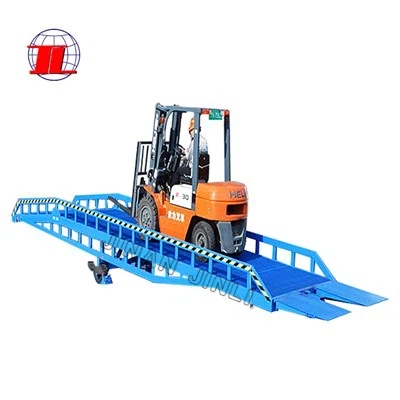
Before we discuss the use of loading dock levelers for pallet loading and unloading, it's essential to understand what they are and how they work. A loading dock leveler is a device installed at the edge of a loading dock to bridge the gap between the dock and the bed of a truck or trailer. It provides a smooth transition for forklifts and other material handling equipment to move goods between the dock and the vehicle safely and efficiently.
There are several types of loading dock levelers available in the market, including mechanical, hydraulic, and pneumatic models. Each type has its own advantages and disadvantages, but they all serve the same basic purpose of creating a level surface for loading and unloading operations.
Can a Loading Dock Leveler Be Used for Loading and Unloading Pallets?
The short answer is yes. Loading dock levelers are designed to facilitate the movement of goods, including pallets, between the dock and the vehicle. They provide a stable and level platform for forklifts to drive on, allowing them to easily pick up and deposit pallets.
When using a loading dock leveler for pallet handling, it's important to ensure that the leveler is properly installed and maintained. This includes regular inspections, lubrication, and replacement of worn parts. Additionally, the leveler should be compatible with the weight and size of the pallets being handled.
Benefits of Using a Loading Dock Leveler for Pallet Handling
There are several benefits to using a loading dock leveler for pallet loading and unloading. These include:
- Increased Efficiency: By providing a smooth and level surface, loading dock levelers allow forklifts to move pallets quickly and easily, reducing the time and effort required for loading and unloading operations.
- Improved Safety: Loading dock levelers help to prevent accidents and injuries by providing a stable platform for forklifts to operate on. They also reduce the risk of damage to goods and equipment by minimizing the impact of uneven surfaces.
- Versatility: Loading dock levelers can be used with a variety of vehicles, including trucks, trailers, and railcars. This makes them a versatile solution for pallet handling in different industries and applications.
- Cost Savings: By improving efficiency and reducing the risk of accidents and damage, loading dock levelers can help to save money in the long run. They also require less maintenance than other types of loading equipment, further reducing costs.
Considerations When Using a Loading Dock Leveler for Pallet Handling
While loading dock levelers are a great solution for pallet handling, there are some considerations to keep in mind. These include:
- Pallet Size and Weight: It's important to ensure that the loading dock leveler is compatible with the size and weight of the pallets being handled. This includes the length, width, and height of the pallets, as well as their weight capacity.
- Vehicle Type and Height: Different vehicles have different bed heights, so it's important to choose a loading dock leveler that can accommodate the height range of the vehicles you will be using. Additionally, some vehicles may require special adapters or accessories to ensure a proper fit.
- Forklift Type and Capacity: The type and capacity of the forklift being used will also affect the performance of the loading dock leveler. It's important to choose a leveler that can handle the weight and size of the forklift, as well as the pallets being carried.
- Environmental Conditions: The environmental conditions at the loading dock can also affect the performance of the loading dock leveler. For example, extreme temperatures, humidity, and exposure to chemicals can cause damage to the leveler over time. It's important to choose a leveler that is designed to withstand the environmental conditions at your loading dock.
Types of Loading Dock Levelers for Pallet Handling
There are several types of loading dock levelers that are suitable for pallet handling. These include:
- Mechanical Loading Dock Levelers: Mechanical loading dock levelers are the most common type of leveler. They are operated manually using a pull chain or a lever, and they are typically less expensive than hydraulic or pneumatic levelers. Mechanical levelers are a good choice for low-volume loading and unloading operations.
- Hydraulic Loading Dock Levelers: Hydraulic loading dock levelers are powered by a hydraulic system, which provides smooth and reliable operation. They are typically more expensive than mechanical levelers, but they offer greater lifting capacity and faster operation. Hydraulic levelers are a good choice for high-volume loading and unloading operations.
- Pneumatic Loading Dock Levelers: Pneumatic loading dock levelers are powered by compressed air, which provides a gentle and quiet operation. They are typically more expensive than mechanical levelers, but they offer greater lifting capacity and faster operation. Pneumatic levelers are a good choice for applications where noise and vibration are a concern.
Accessories for Loading Dock Levelers
In addition to the loading dock leveler itself, there are several accessories that can be used to enhance its performance and safety. These include:

- Dock Seals and Shelters: Dock seals and shelters are used to create a weather-tight seal between the dock and the vehicle. They help to prevent heat loss, reduce energy costs, and protect goods from the elements.
- Vehicle Restraints: Vehicle restraints are used to secure the vehicle to the loading dock, preventing it from moving during loading and unloading operations. They help to prevent accidents and injuries by ensuring that the vehicle remains stable and secure.
- Safety Gates and Railings: Safety gates and railings are used to prevent falls and other accidents at the loading dock. They help to protect workers and equipment from falling off the dock or being struck by moving vehicles.
- Forklift Dock Plate: A Forklift Dock Plate is a portable ramp that can be used to bridge the gap between the dock and the vehicle. It is a good choice for temporary or occasional loading and unloading operations.
- Dock Plate Ramp: A Dock Plate Ramp is a fixed ramp that is installed at the edge of the loading dock. It is a good choice for permanent loading and unloading operations.
- Adjustable Dock Plate: An Adjustable Dock Plate is a ramp that can be adjusted to accommodate different vehicle heights. It is a good choice for applications where the vehicle height may vary.
Conclusion
In conclusion, a loading dock leveler can be used for loading and unloading pallets. It provides a smooth and level surface for forklifts to drive on, allowing them to easily pick up and deposit pallets. By using a loading dock leveler, you can increase efficiency, improve safety, and save money in the long run.
If you are in the market for a loading dock leveler for pallet handling, I encourage you to contact us to discuss your specific needs. Our team of experts can help you choose the right leveler for your application, and we can provide you with installation, maintenance, and repair services to ensure that your leveler performs at its best.
References
- "Loading Dock Equipment: A Guide to Selection and Installation." Material Handling Industry of America.
- "Safety Guidelines for Loading Dock Operations." Occupational Safety and Health Administration.
- "Pallet Handling Equipment: Types and Applications." Modern Materials Handling.


